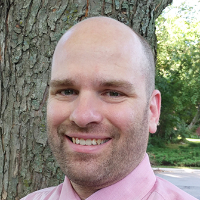
Paul Schroeder-Haag
Calm, practical counseling for everyday struggles
- Credentials
- LPC
- Experience
- 7 years
- Licensed in
- Wisconsin
- Languages
- English
- Format
- Online sessions
About Paul
Paul Schroeder-Haag began his path to therapy after years of varied life and work experiences that shaped his interest in helping others. He is a Licensed Professional Counselor, LPC, practicing in Wisconsin. He combines formal training with practical experience and a calm, approachable manner.
Paul aims to make conversations straightforward and down-to-earth for people who feel overwhelmed or stuck. He earned a master’s degree in criminal justice in 2006 and returned to school to complete a master’s degree in counseling in 2013.
Background and approach
Over seven years as a counselor, he has worked with people facing trauma, addiction, anxiety, depression, relationship challenges, and grief. That background includes work with people who have been homeless, those affected by domestic violence, and others with complex life situations. Paul uses several ways of working depending on what a person needs in therapy.
He draws from cognitive-behavioral ideas when thoughts and behaviors are a focus. He also uses mindfulness to help people manage stress and trauma-focused methods when trauma is central. His style is relaxed and conversational, which many people find easy to talk with.
Sessions tend to be practical and focused on what will help day to day. Paul listens to each person’s story and then tailors tools and steps to their situation. He continues learning so he can bring relevant approaches to the work.
Many people appreciate his blend of life experience and professional training. He aims to create a calm space where people can talk honestly and begin to make manageable changes.
Therapeutic approaches for online work
Client-Centered Therapy focuses on listening and building a trusting relationship. The therapist follows the person's lead, reflects what they say, and helps them find their own solutions. Cognitive Behavioral Therapy, or CBT, looks at the link between thoughts, feelings, and actions and teaches practical skills to change unhelpful patterns. Mindfulness Therapy helps people notice their present-moment experience and develop tools to reduce stress and reactivity, which can be helpful for anxiety and trauma-related concerns.Finding the right approach is part of the therapy process. The therapist works together with each person to decide which methods fit their goals, needs, and personal preferences. That collaboration allows adjustments over time so sessions remain useful and relevant.
Online therapy with video, phone, live chat, or text-based messaging offers flexibility for busy schedules and different comfort levels. Video lets people have face-to-face conversations, phone sessions work when video is not practical, and messaging provides ongoing contact between sessions. These options make it easier to continue work from wherever someone is, while still using the same therapeutic approaches and practical tools they would get in person.
Client-Centered Therapy
The direction comes from you rather than from a set programme. The therapist offers a warm, non-judgemental space to think out loud and work at your own pace. Online, this rests on the relationship rather than on being in the same room.
Cognitive Behavioral Therapy (CBT)
CBT looks at the link between what you think, how you feel, and what you do. You work on noticing unhelpful patterns and practising steadier responses. It suits online sessions well, because much of the work happens between appointments and can be talked through from anywhere.
Mindfulness Therapy
Attention training: noticing thoughts and physical feelings as they arrive without being carried off by them. Much of it is practice you do yourself, so guidance over video or audio works much as it would in person.
Frequently asked questions
What kinds of problems does he help with?
What is his general approach in sessions?
How much counseling experience does he have?
Where is he licensed and based?
Which languages are supported for sessions?
What session formats are available?
How are fees and billing handled?
How do I begin working with him?
Specialties and expertise
Top specialties
- Stress, Anxiety
- Addictions
- Relationship issues
Also works with
- Anger management
- Coping with life changes
- Depression
- Domestic violence
- Drug and alcohol addiction
- Family conflicts
- Fatherhood issues
- Grief
- Intimacy-related issues
- Men's issues
- Panic disorder and panic attacks
- Parenting issues
- Post-traumatic stress
- Self esteem
- Sexual assault and abuse
- Social anxiety and phobia
- Trauma and abuse
Therapeutic approaches
- Experience
- 7 years
- Licensed
- Wisconsin
- Languages
- English
Next step
Talk to Paul
- Takes a few minutes
- Nothing to set up just to look
- Stop at any point