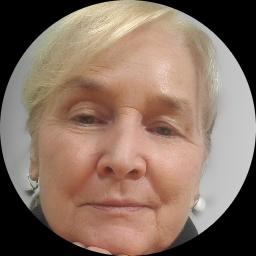
Pamela McCloskey
Calm, experienced support for parenting and trauma
- Credentials
- PA Psychologist PS004699L
- Experience
- 40 years
- Licensed in
- Pennsylvania
- Languages
- English
- Format
- Online sessions
About Pamela
Pamela McCloskey is a Pennsylvania-licensed psychologist who focuses on stress, anxiety, trauma and abuse, parenting concerns, depression, grief, and compassion fatigue. She brings a calm, respectful presence to sessions and aims to meet people where they are. Pamela speaks plainly and listens closely to understand each person’s situation before shaping a plan together.
She uses plain talk and practical steps rather than jargon. Sessions are tailored to individual needs and paced to fit what each person can manage.
Background and approach
Pamela draws on decades of experience to offer tools that can be used between meetings as well as in session. Over a long career Pamela has worked with a broad range of trauma-related concerns, including post-traumatic stress and sexual assault and abuse.
She also brings focused attention to issues that arise in adoption and foster care, attachment concerns, and challenges around divorce and separation. Her background supports steady, experienced guidance through complex emotional situations. Pamela’s approach blends techniques from attachment-based work, client-centered therapy, cognitive behavioral therapy, dialectical behavior therapy, and EMDR for trauma processing.
She selects methods based on what seems most useful for the person in front of her. The style is collaborative - clients are part of planning and decision making. With forty years of professional experience, Pamela aims to help people feel understood and to develop practical ways to manage symptoms.
She encourages small steps and focuses on skills people can use in day-to-day life. Her practice is located in Pennsylvania and sessions are offered in English.
How Pamela’s approaches translate to online care
Attachment-Based Therapy focuses on relationships and how early connections shape current patterns. It helps people understand bonding, closeness, and trust so they can change unhelpful ways of relating. Cognitive Behavioral Therapy, or CBT, looks at current thoughts and behaviors and teaches practical skills to reduce anxiety and mood symptoms. It is often action-oriented, with exercises to try between sessions. Eye Movement Desensitization and Reprocessing, EMDR, targets traumatic memories by using guided processing to reduce the distress tied to those memories and the reactions they trigger.Pamela treats finding the right approach as a team effort. She will talk about options, try methods that fit the person’s goals, and adjust the plan as therapy progresses. Clients help set priorities so the work aligns with what matters most to them.
Online therapy offers flexible ways to meet - video calls, phone sessions, live chat, and text-based messaging are all available. This variety makes it easier to fit sessions into busy schedules and to continue work between in-person commitments. The different formats also let people choose how they communicate best, whether that is seeing facial cues on video or using chat and messaging for brief check-ins.
Attachment-Based Therapy
Looks at how early bonds shaped what you expect from closeness, and how that plays out now with a partner, a parent, or your own children.
Client-Centered Therapy
The direction comes from you rather than from a set programme. The therapist offers a warm, non-judgemental space to think out loud and work at your own pace. Online, this rests on the relationship rather than on being in the same room.
Cognitive Behavioral Therapy (CBT)
CBT looks at the link between what you think, how you feel, and what you do. You work on noticing unhelpful patterns and practising steadier responses. It suits online sessions well, because much of the work happens between appointments and can be talked through from anywhere.
Frequently asked questions
What kinds of concerns does Pamela address?
How would you describe her therapy style?
What is her background and experience?
What credentials and location are listed for the therapist?
Which languages are supported for sessions?
What session formats are available?
How are fees and billing handled?
How do I begin working with her?
Specialties and expertise
Top specialties
- Stress, Anxiety
- Trauma and abuse
- Parenting issues
Also works with
Therapeutic approaches
- Experience
- 40 years
- Licensed
- Pennsylvania
- Languages
- English
Next step
Talk to Pamela
- Takes a few minutes
- Nothing to set up just to look
- Stop at any point