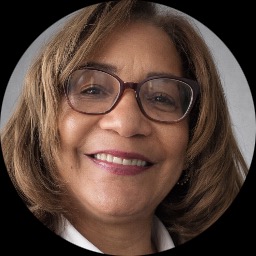
Oneida Burgos
Experienced LCSW focused on practical, strengths-based care
- Credentials
- LCSW
- Experience
- 20 years
- Licensed in
- New York, Virginia
- Languages
- English, Spanish
- Format
- Online sessions
About Oneida
Oneida Burgos is a Licensed Clinical Social Worker (LCSW) with 20 years of practice. She works from a strengths-based view, helping people notice their abilities and use them to manage hard times.
She is bilingual in English and Spanish and practices in Virginia, offering care for common concerns such as stress, anxiety, depression, grief, trauma and abuse, addictions, relationship issues, and hospice and end-of-life counseling. Her style is warm and practical.
Background and approach
She focuses on clear goals and doable steps rather than long theory talks. Sessions aim to help people make steady progress by using what already works in their lives and adding new skills where needed. Oneida emphasizes compassion and respect while keeping conversations straightforward and focused.
In practice she blends techniques from Acceptance and Commitment Therapy, Cognitive Behavioral Therapy, and Client-Centered work among other approaches. That mix lets her tailor each plan to a person’s needs, whether managing anxiety, coping with loss, or facing big life changes. She uses narrative and solution-focused elements when helpful to reframe problems and find workable solutions.
Oneida has helped people across many stages of life and brings practical experience with hospice and end-of-life counseling. She describes therapy as collaborative - she listens, offers options, and helps set priorities together. The aim is steady, realistic progress toward clearer days and better coping.
To begin, a brief matching process and scheduling step connects someone to her practice. Sessions are provided through multiple online formats to fit different schedules and preferences.
Therapeutic approaches and how they work online
Acceptance and Commitment Therapy (ACT) helps people notice unhelpful thoughts without being controlled by them and focus on actions that match their values. It can be useful for anxiety, stress, and life transitions by building willingness to try different ways of responding. Cognitive Behavioral Therapy (CBT) looks at patterns of thinking and behavior and teaches practical skills to change them; it often helps with depression, anxiety, and managing difficult moods. Client-Centered Therapy centers on empathy and listening so a person can explore their own solutions at their own pace, which supports emotional processing and self-direction.Finding the right approach is part of the work. The therapist collaborates with each person to pick and adapt methods that fit their goals, needs, and comfort level. She listens first, then suggests options and checks in regularly to adjust the plan together.
Online sessions make it easier to fit therapy into a busy life. Video calls let conversations feel close to an in-person visit, while phone, live chat, and text messaging offer shorter or more flexible ways to connect. These formats help people stay consistent with sessions, try different ways of practicing skills between meetings, and access support from where they already are.
Acceptance and Commitment Therapy (ACT)
Less about arguing with difficult thoughts, more about loosening their grip and acting on what matters to you anyway. Values and committed action carry the work, which suits conversation at a distance.
Client-Centered Therapy
The direction comes from you rather than from a set programme. The therapist offers a warm, non-judgemental space to think out loud and work at your own pace. Online, this rests on the relationship rather than on being in the same room.
Cognitive Behavioral Therapy (CBT)
CBT looks at the link between what you think, how you feel, and what you do. You work on noticing unhelpful patterns and practising steadier responses. It suits online sessions well, because much of the work happens between appointments and can be talked through from anywhere.
Frequently asked questions
What kinds of problems does she address?
How would you describe her therapeutic style?
What is her background and experience?
What are her credentials and where is she based?
Which languages are available for sessions?
What session formats does she use?
How does payment and cost work?
What are the first steps to start therapy?
Specialties and expertise
Top specialties
- Stress, Anxiety
- Family conflicts
- Trauma and abuse
Also works with
- Addictions
- Depression
- Grief
- Hospice and end-of-life counseling
- Relationship issues
Therapeutic approaches
- Experience
- 20 years
- Licensed
- New York, Virginia
- Languages
- English, Spanish
Next step
Talk to Oneida
- Takes a few minutes
- Nothing to set up just to look
- Stop at any point