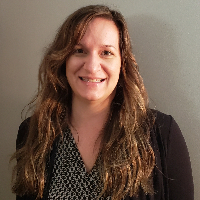
Leslie Gray
Calm, practical therapy for tough moments
- Credentials
- LCMHC
- Experience
- 10 years
- Licensed in
- North Carolina
- Languages
- English
- Format
- Online sessions
About Leslie
Leslie Gray is a Licensed Clinical Mental Health Counselor (LCMHC) who draws on a practical, person-centered approach. She uses clear, goal-focused work to help people untangle painful patterns. Sessions are straightforward and aimed at small steps that add up.
Leslie's style is calm and direct, designed for someone who needs immediate, usable tools. Leslie has a decade of experience, much of it in substance use settings and supporting people with co-occurring conditions.
Background and approach
She has worked with issues such as addictions, trauma and abuse, anxiety, depression, bipolar disorder, ADHD, and grief. She also addresses domestic violence and drug and alcohol addiction as part of her practice. Her background blends existential ideas about meaning with client-centered listening.
That means she helps people explore what matters to them while keeping focus on practical change. She uses techniques from cognitive behavioral therapy and EMDR when they fit the person’s goals. In sessions Leslie expects honest feelings to surface, including anger or frustration.
She guides clients to accept those feelings and to use them as information rather than seeing them as failure. The work often moves between understanding patterns and practicing new responses. Leslie practices in North Carolina and offers online session options.
She speaks English. For parents or caregivers seeking help around stress, relationship strain, or addiction-related concerns, her approach aims for clear steps and steady progress.
Therapeutic approaches and online care
Leslie integrates client-centered work and cognitive behavioral therapy to provide clear, usable strategies. Client-centered therapy focuses on listening and reflecting so people can clarify what matters to them; it helps when someone needs space to sort feelings without judgment. Cognitive behavioral therapy looks at how thoughts, feelings, and actions connect and teaches practical skills to change unhelpful patterns, which is useful for anxiety, depression, and stress.Finding the right approach happens together. Leslie will discuss goals, preferences, and what has or hasn’t helped before. She tailors techniques to each person rather than insisting on one method, and makes adjustments as the work progresses.
Online sessions are offered by video call, phone, live chat, and text-based messaging to fit different routines and comfort levels. These options make it easier to keep appointments around work, school, or caregiving demands. The range of formats also lets people try shorter check-ins or longer therapy conversations depending on what they need.
Client-Centered Therapy
The direction comes from you rather than from a set programme. The therapist offers a warm, non-judgemental space to think out loud and work at your own pace. Online, this rests on the relationship rather than on being in the same room.
Cognitive Behavioral Therapy (CBT)
CBT looks at the link between what you think, how you feel, and what you do. You work on noticing unhelpful patterns and practising steadier responses. It suits online sessions well, because much of the work happens between appointments and can be talked through from anywhere.
Existential Therapy
Takes the larger questions seriously: meaning, choice, mortality, responsibility. Suited to periods when the difficulty is less a symptom than a sense that something has to change.
Frequently asked questions
What concerns does Leslie address?
What is her therapy style like?
How long has she been practicing?
Where is Leslie licensed to practice?
Which languages are supported for sessions?
What formats are available for sessions?
How are sessions paid for?
How do I begin working with her?
Specialties and expertise
Top specialties
Also works with
- ADHD
- Anger management
- Bipolar disorder
- Career difficulties
- Compassion fatigue
- Coping with life changes
- Depression
- Domestic violence
- Drug and alcohol addiction
- Family conflicts
- Grief
- Relationship issues
- Stress, Anxiety
Therapeutic approaches
- Experience
- 10 years
- Licensed
- North Carolina
- Languages
- English
Next step
Talk to Leslie
- Takes a few minutes
- Nothing to set up just to look
- Stop at any point