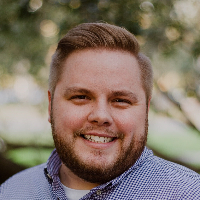
Andrew Cravey
Compassionate, practical mental health support
- Credentials
- LMHC
- Experience
- 5 years
- Licensed in
- Florida
- Languages
- English
- Format
- Online sessions
About Andrew
Andrew Cravey is a Licensed Mental Health Counselor (LMHC) based in Florida. He focuses on helping people manage stress, anxiety, depression, relationship struggles, and major life changes. He also supports those facing grief, trauma, addiction concerns, anger, career stress, self-esteem issues, compassion fatigue, and LGBT-related challenges.
His style aims to help clients feel more capable after sessions. He uses a relational, integrative approach that centers the therapeutic relationship. That means he listens closely, offers practical skills, and tailors interventions to each person.
Background and approach
Sessions are geared toward building everyday tools for coping and increasing resilience. Andrew draws on several evidence-based methods. He blends Acceptance and Commitment Therapy, Cognitive Behavioral Therapy, Dialectical Behavior Therapy, Attachment-Based ideas, and Client-Centered work.
He selects techniques that fit the goals a person brings to therapy and adjusts as progress unfolds. Andrew completed a Master of Science in Counseling Psychology from Palm Beach Atlantic University and holds Florida licensure as LMHC MH19109. He has about five years of clinical experience.
He meets people where they are and helps them practice changes between sessions. Sessions are offered via video calls, phone, live chat, or text-based messaging, and are arranged through a subscription model. To begin, a person follows the Start Therapy button, completes a short matching questionnaire, and schedules sessions according to the therapist's availability.
How these approaches translate to online therapy
Acceptance and Commitment Therapy (ACT) helps people notice difficult thoughts and feelings without letting those experiences control their choices. It focuses on identifying personal values and committing to small steps that match those values, which can help with anxiety, depression, and life transitions.Cognitive Behavioral Therapy (CBT) looks at the links between thoughts, feelings, and actions and teaches practical skills to test and change unhelpful patterns. It is often used for anxiety, stress, low mood, and problem-solving in daily life.
Dialectical Behavior Therapy (DBT) adds skills for emotion regulation, distress tolerance, and interpersonal effectiveness. Those skills can be useful when strong emotions or relationship conflicts get in the way of functioning.
Finding the right approach is a collaborative process. The therapist will work with the client to choose methods that match their needs, goals, and preferences, trying different strategies and adjusting as progress is made.
Online therapy offers flexibility through video calls, phone sessions, live chat, and text-based messaging. These options make it easier to fit sessions into a busy schedule and to continue work between meetings. Therapists can teach skills, review exercises, and check in on progress using whichever format best suits a person's life.
Acceptance and Commitment Therapy (ACT)
Less about arguing with difficult thoughts, more about loosening their grip and acting on what matters to you anyway. Values and committed action carry the work, which suits conversation at a distance.
Attachment-Based Therapy
Looks at how early bonds shaped what you expect from closeness, and how that plays out now with a partner, a parent, or your own children.
Client-Centered Therapy
The direction comes from you rather than from a set programme. The therapist offers a warm, non-judgemental space to think out loud and work at your own pace. Online, this rests on the relationship rather than on being in the same room.
Frequently asked questions
What kinds of concerns does this therapist address?
How would you describe the therapeutic style and approach?
What training and clinical background does he have?
Where is the therapist licensed and based?
Which languages are supported for sessions?
Can people outside the country work with this therapist?
What session formats are available?
How does payment and scheduling work?
Specialties and expertise
Top specialties
Also works with
- Addictions
- Anger management
- Career difficulties
- Compassion fatigue
- Coping with life changes
- Depression
- Family conflicts
- Grief
- Relationship issues
- Trauma and abuse
Therapeutic approaches
- Experience
- 5 years
- Licensed
- Florida
- Languages
- English
Next step
Talk to Andrew
- Takes a few minutes
- Nothing to set up just to look
- Stop at any point